

Spain BANS social media for kids 16 below, joining global crackdown amid free speech concerns

Spain BANS social media for kids 16 below, joining global crackdown amid free speech concerns – NaturalNews.com

  • Spain enforces strict social media ban for under-16s, becoming the first European nation to follow Australia’s precedent, citing online harms like addiction, hate speech and exploitation.
  • Five aggressive measures announced: Criminal liability for executives failing to remove “illegal or hateful content”; ban on algorithmic amplification of harmful content; tracking platforms’ role in spreading division and hate speech; investigation of AI-generated crimes by TikTok, Instagram and Elon Musk’s Grok; and strict age verification for social media access.
  • Critics warn of censorship risks, with Musk calling Prime Minister Pedro Sanchez a “fascist totalitarian” and opponents arguing vague definitions of “hate speech” could suppress dissent.
  • France, Denmark and the United Kingdom are considering similar bans, while Australia has already implemented fines for non-compliance – despite pushback from Meta and legal challenges.
  • Supporters argue bans protect children’s mental health, while skeptics see government overreach and a slippery slope toward digital authoritarianism.

Spain has announced sweeping new regulations to ban social media access for children under 16, becoming the first European nation to follow Australia’s controversial precedent.
US slaps Iran with new sanctions shortly after nuclear talks

The new restrictions were announced right after the two countries wrapped up indirect talks in Oman on Tehran’s nuclear program

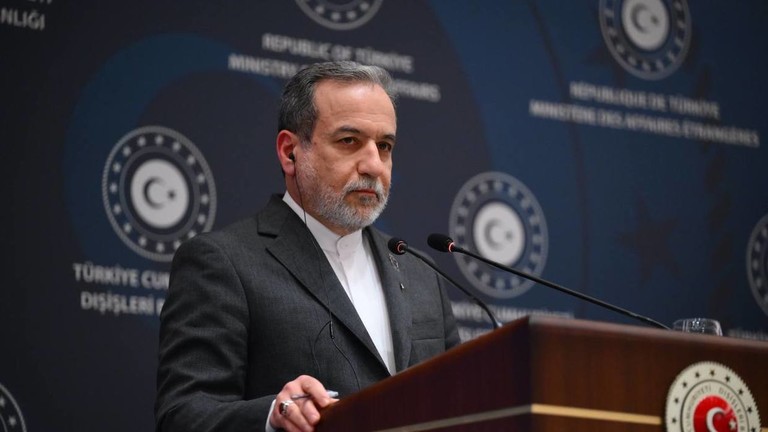
Any agreement on Iran’s nuclear program can only be reached through “calm” dialogue free of pressure and threats, Foreign Minister Abbas Araghchi said after indirect talks with the US in Oman on Friday. Shortly afterward, Washington announced a new round of sanctions against Tehran.

Araghchi welcomed the resumption of dialogue with the US after “eight turbulent months” and called the eight-hour negotiations in Muscat on Friday, mediated by Oman’s foreign minister, a “good start.” Both sides share a “consensus” on the need to continue the talks, Tehran’s top diplomat said in a statement.

Moments after the talks ended, the US Department of State announced restrictions against 15 entities, two individuals and 14 vessels, accusing them of being linked to what it called “the illicit trade in Iranian petroleum, petroleum products, and petrochemical products.” It said the move was part of a “maximum pressure campaign” launched by the administration of President Donald Trump.

US slaps Iran with new sanctions shortly after nuclear talks — RT World News

Trump acknowledges need for softer immigration tactics following fatal Minneapolis incidents

Trump acknowledges need for softer immigration tactics following fatal Minneapolis incidents – NaturalNews.com

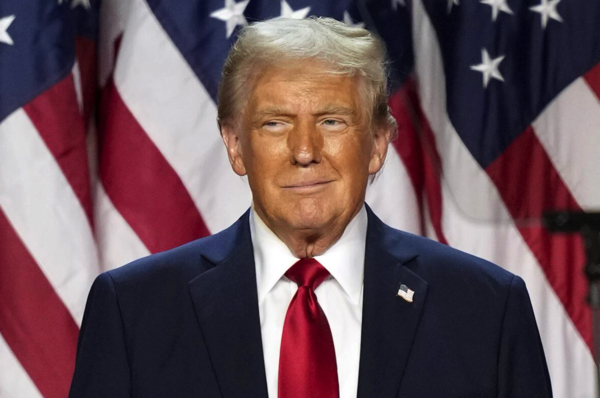
  • President Donald Trump said his administration may need a “softer touch” in immigration enforcement following the fatal shootings of two U.S. citizens by federal agents in Minneapolis.
  • The January deaths of Renee Good and Alex Pretti triggered national protests and sharp criticism from Minnesota Gov. Tim Walz and Minneapolis Mayor Jacob Frey.
  • Trump and senior officials initially blamed the victims, at times labeling them domestic terrorists without evidence, though later video footage contradicted claims that the shootings were justified.
  • Trump acknowledged concerns about aggressive tactics, said agents “make mistakes sometimes,” and confirmed the withdrawal of 700 federal immigration agents from Minnesota.
  • Despite the softer rhetoric, Trump reaffirmed his commitment to a tough immigration agenda, marked by increased arrests, deportations and strict border controls.

From Inflation to Hyperinflation: The Gathering Monetary Hurricane

From Inflation to Hyperinflation: The Gathering Monetary Hurricane – NaturalNews.com

A quiet yet profound shift is underway in the language of finance, a redefinition of the very scourge eating away at our economic foundations. What governments and central bankers dismiss as ‘transitory inflation’ is in reality a systemic cancer, the direct result of decades of monetary corruption. This is not a temporary economic ailment but a terminal symptom of a fiat currency system engineered for eventual collapse.

The deceptive calm of today’s manipulated markets masks a gathering storm. Faith in the U.S. dollar is eroding, not by accident but by design, as those in power use the printing press to finance their agendas. The path from the current erosion of purchasing power to a full-blown hyperinflationary collapse is shorter than most dare to imagine, a journey paved with the broken promises of dishonest money.

Here’s how you build real multiculturalism

Here’s how you build real multiculturalism — RT World News

To conflate citizenship and nationality, erasing history and geography, is not just naive but leads to the erosion of a nation

As globalization is fading and a multipolar world emerging, the question of identity is essential for people not to get lost. Between the abstract multicultural ideal and homogeneity aspirations, Russia presents itself as a unique ‘middle way’.

Certainly, international law distinguishes between the concepts of nationality and citizenship. But these are legal subtleties that don’t concern random individuals, who have many other things to think about and who often, particularly in the West, have the tendency to believe that the two concepts are synonymous. Nevertheless, in a world that is being totally reshaped, we are touching here on the fundamental question of identity. If we don’t know where we come from, we can’t know where we are going.

Tokyo and Moscow have never reached a formal settlement at the end of World War II

Japanese PM laments lack of peace treaty with Russia — RT World News

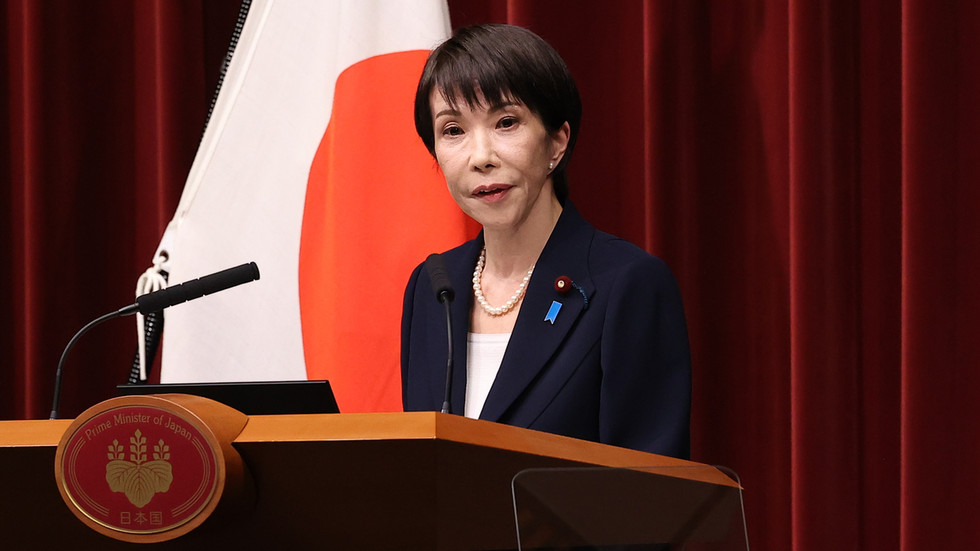
The lack of a peace treaty to this day between Tokyo and Moscow to end World War II is “really vexing and regrettable,” Japanese Prime Minister Sanae Takaichi has said, reiterating her intent to resolve territorial issues with Russia.

Japan and Russia never signed a peace treaty after the war, remaining locked for decades in a territorial dispute over the four southernmost islands of the Kuril archipelago.

The islands were incorporated into the Soviet Union in 1945, and Russia regards them as an integral part of its territory, while Tokyo continues to lay claim to what it calls the “Northern Territories.”